


-

Add: HeBei ShengShi HongBang Cellulose Technology CO.,LTD.
-

Email
13180486930@163.com -

CONTACT US
+86 13180486930
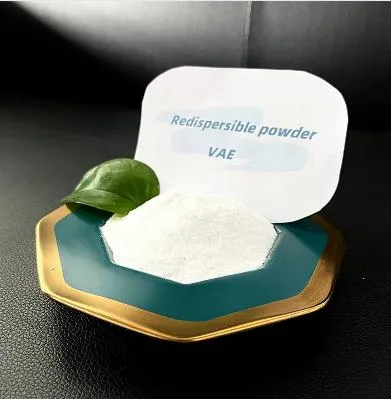
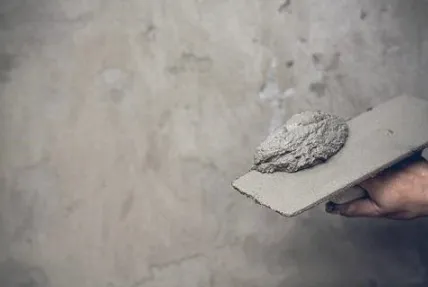
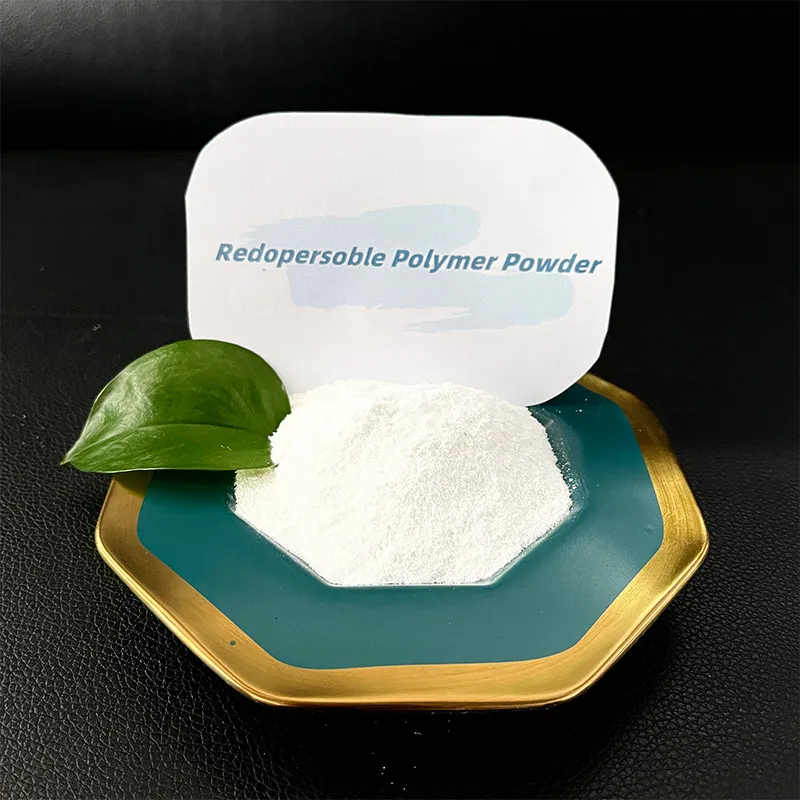
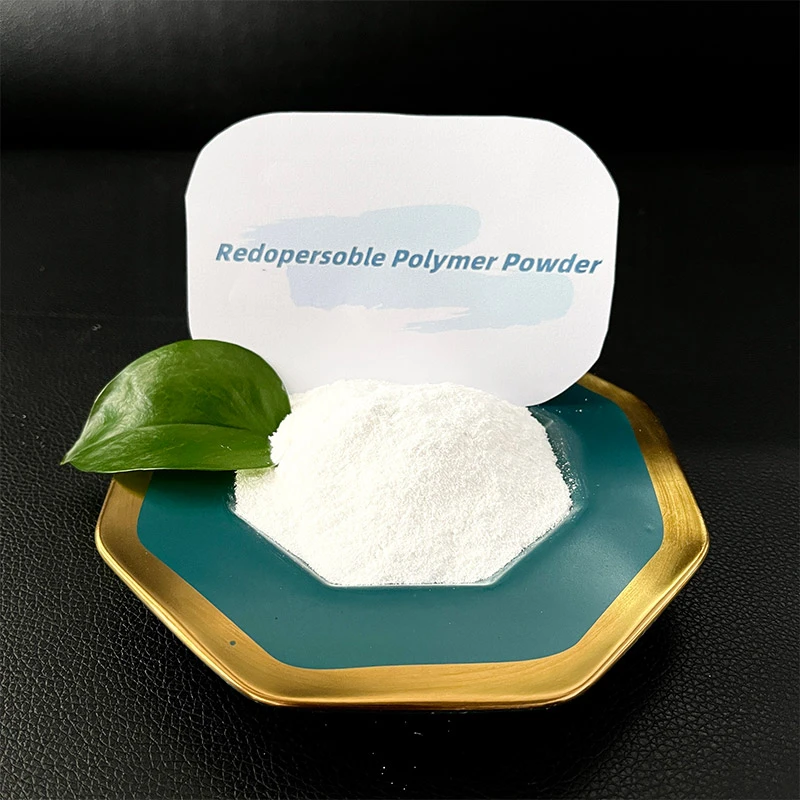
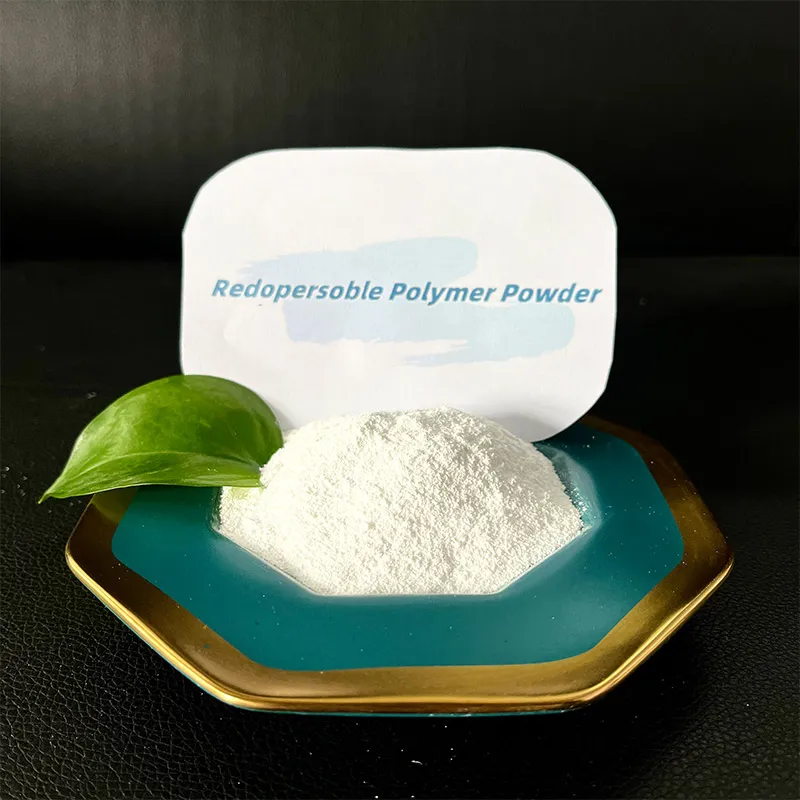


In the rapidly evolving landscape of construction materials, the demand for high-performance additives that enhance durability, flexibility, and workability is paramount. Among these, redispersible emulsion powder stands out as a critical component, revolutionizing the formulation of various dry-mix mortars. This comprehensive overview delves into its manufacturing, technical specifications, diverse applications, and strategic advantages, providing essential insights for B2B professionals seeking to optimize their construction material formulations. Industry Trends and Market Dynamics The global market for redispersible emulsion powder is experiencing robust growth, primarily fueled by rapid urbanization, extensive infrastructure development projects, and a global shift towards sustainable and energy-efficient building practices. Current trends highlight an escalating demand for green building materials, where RDPs play a crucial role by contributing to reduced volatile organic compounds (VOCs) and significantly enhancing insulation properties in final products. There's also a noticeable push towards specialized applications that necessitate superior performance characteristics, such as increased flexibility for structures in seismic-prone regions and improved adhesion for challenging, non-traditional substrates. Stringent regulatory frameworks for safer and more durable construction materials continue to stimulate innovation in polymer powder technology, compelling manufacturers to develop advanced formulations that comply with international standards like ISO and CE. The integration of advanced analytics and IoT in manufacturing processes is simultaneously enabling greater consistency and customization in redispersible latex powder production, leading to highly tailored solutions for specific client requirements. Furthermore, the ongoing trend towards pre-fabricated and modular construction methodologies underscores the need for high-quality dry-mix solutions that offer ease of application and consistent performance. This is an area where high-performance VAE redispersible powder particularly excels. Emerging economies, characterized by rapid construction cycles and a strong emphasis on cost-effectiveness, are witnessing increased adoption of these powders. Continuous innovations in polymer chemistry are also leading to the development of multi-functional RDPs that offer combined benefits such as improved water repellency and extended open time, thereby simplifying material selection and optimizing performance for formulators. Manufacturing Process Flow of Redispersible Emulsion Powder The production of redispersible emulsion powder is a sophisticated, multi-stage industrial process designed to ensure the final product’s superior performance characteristics. At its core, it involves the precise spray-drying of polymer emulsions, most commonly Vinyl Acetate-Ethylene (VAE) copolymers, onto an inorganic carrier material, facilitated by the judicious addition of protective colloids and anti-caking agents. Process Steps: 1. Polymerization: This crucial initial stage involves the emulsion polymerization of monomers, typically Vinyl Acetate and Ethylene, within an aqueous medium. This process is meticulously controlled, often initiated by radical initiators, to form a highly stable polymer emulsion characterized by specific particle sizes and distributions. These attributes are fundamental to the final product's film-forming capabilities and overall performance. 2. Additive Incorporation: Following polymerization, protective colloids, primarily polyvinyl alcohol (PVA), are introduced into the liquid emulsion. These colloids are indispensable for stabilizing the emulsion during the subsequent spray drying phase and, critically, for ensuring the effective redispersibility of the dried powder when it is later mixed with water. Other functional additives, such as defoamers and pH adjusters, may also be incorporated at this juncture to fine-tune the emulsion's properties. 3. Homogenization: The emulsion, now enriched with protective colloids and other additives, undergoes a rigorous homogenization process. This step is vital to achieve a uniform distribution of all components, thereby preparing the emulsion optimally for the subsequent drying stage. 4. Spray Drying: This represents the technological core of the manufacturing process. The thoroughly homogenized emulsion is atomized into an extremely fine spray within a specially designed heated drying chamber. The hot air rapidly evaporates the water content, leaving behind solid polymer particles that are expertly encapsulated by the protective colloid. Precise control over temperature and airflow during this phase is paramount to preserve the polymer's inherent properties and ensure optimal redispersibility. 5. Post-Treatment and Anti-Caking: After the drying process, the resulting fine powder is cooled. To prevent agglomeration during storage and transport and to ensure the powder remains free-flowing and easily dispersible, anti-caking agents (such as inert mineral fillers like silica) are typically added and uniformly mixed. 6. Sieving and Packaging: The processed powder then undergoes a final sieving stage to achieve the desired particle size distribution and to eliminate any oversized particles or impurities. Finally, the finished product is meticulously packaged into multi-ply paper bags with an inner polyethylene film, providing robust protection against moisture ingress and environmental degradation, thus ensuring product integrity until use. Simplified Process Flow Diagram: Monomers & Water → Polymerization → Emulsion (+ PVA) ↓ Spray Drying → Post-Treatment & Additives → Final Product (RDP) Testing Standards: Throughout the entire production lifecycle, rigorous quality control measures are implemented. Our products adhere to stringent international standards, including ISO 9001 for quality management systems. Each production batch undergoes comprehensive testing for critical parameters such as solid content, ash content, particle size distribution, redispersibility, and minimum film-forming temperature (MFFT). This meticulous testing regime ensures consistent quality and predictable performance, verifying that the polymer powder consistently meets the demanding requirements of various construction applications. Target Industries & Advantages: While the direct manufacturing of redispersible powder does not involve petrochemical or metallurgy processes, its application in construction materials offers profound advantages in industries that require robust infrastructure. For example, in building facilities for water supply & drainage systems or complex industrial plants, mortars modified with RDPs exhibit significantly enhanced durability, excellent adhesion to challenging substrates, and superior resistance to chemical attack and environmental stresses. This translates directly to an extended service life for structures, substantial reductions in maintenance costs, and a marked improvement in operational safety and reliability. Technical Specifications and Parameters Understanding the precise technical specifications of redispersible emulsion powder is critically important for formulators to select the optimal product for their specific application. Key parameters directly dictate the performance characteristics that the modified dry-mix mortar will exhibit. Below is a typical product specification table for a high-quality VAE redispersible powder, reflecting established industry standards and product capabilities. Typical Product Specifications: Redispersible Powder VAE Parameter Unit Typical Value / Range Polymer Type - Vinyl Acetate-Ethylene Copolymer (VAE) Appearance - White to off-white free-flowing powder Solid Content % ≥ 98.0 Ash Content (800°C) % 8.0 - 12.0 Bulk Density g/L 450 - 550 Particle Size µm ~80-120 (approx. 90% < 125 µm) Minimum Film Forming Temperature (MFFT) °C 0 ± 2 (or specified per grade) pH Value (10% solution) - 7.0 - 9.0 Glass Transition Temperature (Tg) °C -4 to +4 (grade dependent) Note: These values are typical and may vary slightly based on specific product grades and testing methodologies. Always refer to the manufacturer's technical data sheet for precise specifications. Technical Advantages of Redispersible Emulsion Powder The incorporation of redispersible emulsion powder into dry-mix formulations imparts a multitude of technical advantages that significantly enhance the performance and longevity of construction materials. These benefits are critical for meeting modern construction demands for superior durability, flexibility, and aesthetic quality across diverse applications. Enhanced Adhesion: RDPs dramatically improve the bond strength between the mortar and various substrates, including challenging surfaces like concrete, masonry, wood, and insulation boards. This is attributable to the formation of a flexible, strong polymer film that effectively penetrates into the microscopic pores of the substrate, creating a robust mechanical and chemical interlock. Increased Flexural Strength and Elasticity: The intricate polymer network formed within the hardened mortar provides superior flexibility and significantly enhances resistance to cracking. This is particularly advantageous in applications subjected to thermal expansion and contraction, drying shrinkage, or dynamic mechanical loads, thereby contributing to reduced long-term maintenance requirements. Improved Water Retention: RDPs play a crucial role in improving the water retention capacity of fresh mortars. This allows for a more complete and efficient hydration of the cementitious components, substantially reducing the risk of premature drying, especially under hot or windy conditions. The result is superior strength development and a marked reduction in surface cracking. Superior Workability: The presence of polymer powder significantly improves the rheological properties of fresh mortar, making it noticeably easier to mix, spread, and apply. This enhancement in workability translates directly into greater efficiency on construction sites, faster application rates, and more consistent, high-quality finishes. Abrasion and Impact Resistance: Mortars modified with RDPs exhibit substantially higher resistance to wear and tear from abrasion and impacts. This makes them exceptionally well-suited for high-traffic areas, industrial flooring, or other applications demanding robust performance against mechanical stress. Water Repellency and Freeze-Thaw Resistance: Specific grades of RDP are engineered to impart hydrophobic properties, which significantly improve the water resistance of mortars. This enhances their durability and integrity in severe freeze-thaw cycles, making them crucial for exterior applications exposed to harsh climatic conditions. Reduced Shrinkage: By effectively improving water retention and promoting optimal internal curing, RDPs help to minimize drying shrinkage in cementitious systems. This actively prevents the formation of unsightly and structurally weakening cracks, thereby improving the overall integrity and longevity of the applied material. Diverse Application Scenarios The exceptional versatility of redispersible powder establishes it as an indispensable additive across a vast array of construction applications. Each specific use case significantly benefits from the unique polymer-modifying properties that RDPs impart to dry-mix formulations. Tile Adhesives: RDPs form the fundamental backbone of high-performance cement-based tile adhesives, providing superior bond strength, excellent flexibility, and an extended open time. These characteristics facilitate easier tile placement and adjustment, substantially reducing installation failures and rendering them suitable for the most demanding applications, such as bonding large format tiles or installations in areas subject to significant structural movement. Self-Leveling Compounds (SLCs): In the formulation of Self-Leveling Compounds, VAE redispersible powder contributes critically to achieving excellent flow properties, minimizing material segregation, and enhancing both surface hardness and abrasion resistance. The outcome is the creation of perfectly smooth, exceptionally durable, and uniformly level substrates, ideal for the subsequent installation of various floor coverings. Exterior Insulation Finishing Systems (EIFS) Mortars: For EIFS, RDPs are essential for enhancing the critical adhesion of render to insulation boards. They also provide crucial flexibility and crack resistance to the base coat, which is vital for ensuring the long-term integrity, structural stability, and energy efficiency of building facades under varying environmental conditions. Wall Putties and Skim Coats: In both interior and exterior wall finishing applications, the inclusion of polymer powder significantly improves adhesion to the substrate, facilitates the achievement of a smoother and more refined finish, and substantially enhances crack resistance. Furthermore, it contributes to improved water repellency for exterior wall applications, offering added protection. Repair Mortars: In crucial repair and restoration applications, RDPs are invaluable for improving the bond strength of the repair mortar to the aged or damaged substrate. They also enhance the mechanical strength of the repair material and effectively reduce shrinkage, leading to highly durable and long-lasting repairs that seamlessly integrate with the existing structure. Waterproofing Mortars: When synergistically combined with other specialized additives, specific RDP grades can significantly contribute to the flexibility and crack-bridging capabilities of waterproofing slurries and membranes. This ensures robust and effective moisture barrier performance, protecting structures from water ingress. Grouts: Modified grouts benefit extensively from the inclusion of RDPs through improved workability, minimized shrinkage, enhanced color consistency, and a notable increase in abrasion resistance. These improvements ensure the longevity and aesthetic appeal of tiled surfaces. Vendor Comparison and Customized Solutions Selecting the right supplier for redispersible latex powder is of paramount importance for consistently maintaining product quality and ensuring overall project success. While providing a direct, comprehensive vendor comparison would require specific competitive product data, we can effectively highlight the critical factors that should be meticulously considered during the evaluation process, alongside an outline of our dedicated approach to delivering highly tailored solutions. Key Factors for Vendor Evaluation: Factor Description Product Quality & Consistency Reliable suppliers must maintain stringent quality control protocols, consistently offering predictable product performance from batch-to-batch. This consistency is absolutely crucial for the integrity of final construction products. Verification through ISO 9001 certification is highly recommended. Technical Support & R&D Capabilities The presence of a robust technical support team and advanced R&D capabilities is vital for effective troubleshooting, providing expert application guidance, and facilitating the development of innovative and improved solutions for emerging challenges. Customization Capability A key advantage is the ability to specifically tailor polymer powder formulations to meticulously meet unique project requirements, adapt to diverse climatic conditions, or achieve highly specialized mortar properties. Supply Chain Reliability Ensuring consistent supply and timely delivery, particularly for large-scale or time-sensitive projects, is essential for minimizing costly downtime and effectively overcoming logistical challenges. Certifications & Regulatory Compliance Adherence to relevant international standards (e.g., CE marking for products entering European markets), strict environmental regulations, and comprehensive safety protocols demonstrates a commitment to quality and responsibility. Customized Solutions for Specific Needs: Recognizing that every construction project inherently presents its own unique set of challenges and demands, we specialize in the development of bespoke polymer powder solutions. Our dedicated R&D team engages in close collaboration with clients to thoroughly understand and address specific performance requirements. Whether the need is for exceptionally enhanced flexibility in extreme temperature fluctuations, superior adhesion to particularly challenging substrates, or an optimized open time to facilitate rapid construction schedules, our expertise allows us to deliver. This collaborative and iterative approach enables us to precisely fine-tune the chemical composition of our VAE redispersible powder. We meticulously adjust critical parameters such as the specific polymer type, the glass transition temperature (Tg), and the comprehensive additive package to craft formulations that deliver optimal performance and maximize cost-effectiveness for the client's particular application. For instance, in the demanding context of high-rise building EIFS applications in geographical regions prone to significant temperature fluctuations, we possess the capability to engineer RDPs with a carefully selected lower Tg. This specific modification provides greatly increased flexibility and enhanced crack resistance, thereby substantially extending the service life and overall integrity of the building facade. Our commitment to customization extends beyond mere product formulation to encompass integrated solutions in packaging and logistics. This holistic approach ensures that the entire supply chain is meticulously optimized to meet your project's precise and unique demands. This unwavering dedication to providing tailored solutions guarantees that our partners consistently receive a product that is perfectly suited to their application, offering a significant and measurable competitive advantage in their respective markets. Application Case Studies Real-world application examples powerfully demonstrate the tangible and measurable benefits derived from incorporating redispersible emulsion powder into diverse construction materials. These illustrative case studies highlight not only enhanced performance and superior durability but also significantly contribute to overall customer satisfaction and project success. Case Study 1: High-Performance Tile Adhesive for Commercial Renovation Challenge: A large-scale commercial renovation project presented a demanding requirement for a tile adhesive. The adhesive needed to be capable of securely bonding heavy, low-absorption porcelain tiles to an existing, slightly uneven concrete substrate with minimal preparatory work. Crucially, it also had to accommodate slight structural movement within the building and ensure a rapid setting time to minimize project duration. Solution: Our client developed a high-performance C2TE S1-grade tile adhesive formulation, which incorporated our specialized VAE redispersible powder . This particular RDP was meticulously engineered to deliver exceptional bond strength (achieving adhesion values greater than 1.0 N/mm² even after prolonged water immersion), superior flexibility (exhibiting deformation exceeding 2.5 mm), and an extended open time, providing ample working window for installers. Result: The modified adhesive performed outstandingly, providing exceptionally secure bonding and effectively resisting cracking attributed to minor substrate movement. The enhanced workability of the product led to a significant 15% reduction in overall installation time, contributing to project efficiency. Furthermore, the robust long-term performance resulted in a zero-failure rate for tile adhesion within the first two years post-installation, demonstrably exceeding the client's expectations for both durability and cost-effectiveness. Case Study 2: Durable EIFS for a Coastal Residential Complex Challenge: A newly constructed residential complex situated in a coastal environment faced specific challenges. It required an Exterior Insulation Finishing System (EIFS) capable of effectively withstanding harsh marine weather conditions, high levels of humidity, prolonged salt exposure, and significant daily and seasonal temperature fluctuations, all while maintaining superior crack resistance and achieving optimal energy efficiency. Solution: The EIFS base coat and skim coat formulations were meticulously enhanced through the incorporation of our advanced polymer powder . This RDP was specifically designed to impart high flexibility and excellent water repellency. This targeted modification ensured robust adhesion to the underlying insulation boards and concurrently created a resilient, highly crack-resistant protective layer for the exterior facade. Result: The implemented EIFS demonstrated exceptional long-term integrity, even under the severe coastal conditions. Independent field tests confirmed a significant reduction in water absorption (measured below 0.5 kg/m² after 24 hours) and superior resistance to salt spray corrosion. The client reported a projected 20% improvement in the facade's service life and substantial energy savings for the residents due to significantly improved thermal performance, unequivocally attesting to the reliability and efficacy of our redispersible powder solution in extreme environments. Trustworthiness and Support Building strong, enduring, and reliable partnerships is the fundamental core of our business philosophy. We prioritize unwavering transparency, rigorous quality assurance, and comprehensive customer support to ensure your complete satisfaction with both our redispersible emulsion powder products and the professional services we provide. Certifications and Authoritative Endorsements: Our state-of-the-art manufacturing facilities and meticulously controlled processes strictly adhere to the highest international quality standards. We are proudly ISO 9001:2015 certified, which ensures consistent quality management spanning from the meticulous sourcing of raw materials through to the final product delivery. Our entire product range is engineered to meet or consistently exceed relevant industry standards and undergoes routine, independent testing by accredited third-party laboratories. We are unequivocally committed to continuous improvement, leveraging our extensive years of industry experience and fostering strategic partnerships with leading research institutions to consistently maintain our authoritative position as a premier provider of advanced polymer powder solutions. Frequently Asked Questions (FAQ): Q: What are the recommended storage conditions for Redispersible Powder VAE? A: We strongly recommend storing the product in a cool, dry place, ideally below 30°C, and meticulously protected from any exposure to moisture. The original packaging must be kept tightly sealed to maintain product integrity. Under these precisely outlined conditions, the typical shelf life of the product is 12 months from the date of manufacture. Q: How does VAE redispersible powder differentiate from other types of polymer powders? A: VAE redispersible powder (Vinyl Acetate-Ethylene copolymer) is renowned for its excellent overall performance profile, offering a meticulously balanced combination of flexibility, adhesive strength, and workability. While other polymer types, such as styrene-butadiene or acrylic, are available in the market, VAE stands out due to its exceptional versatility and widespread adoption across numerous dry-mix mortar applications. This preference stems from its superior cost-effectiveness coupled with its broad and robust performance spectrum. Q: Is it possible to customize your redispersible powder for very specific applications? A: Absolutely. Our dedicated R&D team works in close collaboration with clients to develop highly customized formulations that precisely meet unique performance criteria. These can include, but are not limited to, very specific flexibility requirements, enhanced levels of water repellency, or particular rheological properties essential for specialized dry-mix mortars and advanced construction solutions. Lead Time and Fulfillment: We maintain highly efficient production schedules and streamlined logistics operations to consistently ensure timely delivery. Standard lead times typically range from 7 to 14 business days for domestic orders, and approximately 20 to 30 days for international shipments, with the exact duration dependent on factors such as order volume, specific product customization, and the final destination. Expedited shipping options are readily available upon request to accommodate urgent project timelines. Our robust and globally connected supply chain network is designed to ensure reliable and prompt fulfillment worldwide. Warranty Commitments: We unequivocally stand behind the exceptional quality of our products. All redispersible powder products are guaranteed to meticulously meet the published technical specifications at the precise time of shipment, provided they are stored and handled strictly according to our comprehensive recommendations. Any claims regarding product deviation from these specified technical parameters will be promptly and thoroughly investigated and subsequently addressed in full accordance with our rigorous quality assurance protocols and customer satisfaction policies. Customer Support Information: Our dedicated and highly knowledgeable customer support team, along with our expert technical specialists, are readily available to assist you with product selection, provide comprehensive application guidance, offer expert technical troubleshooting, and address any order-related inquiries you may have. Please do not hesitate to reach out to us via our official website's contact form, email, or telephone for prompt, professional, and courteous assistance. We are deeply committed to providing unparalleled service and support to all our esteemed B2B partners. The Role of Redispersible Latex Powder and Polymer Powder While the primary keyword for this comprehensive discussion has been redispersible emulsion powder , it is important to clearly clarify its inherent relationship with closely related industry terminology such as "redispersible latex powder" and "polymer powder." Fundamentally, these terms are often used interchangeably within the specialized construction chemicals industry to refer to the very same category of high-performance products: finely divided organic polymer powders. These powders possess the crucial ability to be effectively redispersed in water to reconstitute an emulsion, which subsequently imparts essential polymer properties to cementitious systems, thereby enhancing their overall performance. Redispersible Latex Powder: This specific term directly emphasizes the powder's functional characteristic – its ability to revert to a liquid latex (emulsion) state upon thorough mixing with water. The word "latex" in this context specifically denotes the original polymer emulsion from which the dry powder product is ultimately derived through processes like spray drying. Polymer Powder: This is generally considered a broader, more encompassing term that could theoretically refer to any powdered polymer. However, within the specific context of dry-mix mortars and construction additives, it is almost exclusively understood to refer to redispersible polymer powders. This is due to the critical functional requirement that these polymers must be readily dispersible in water to achieve their intended performance enhancements in cementitious applications. VAE Redispersible Powder: This terminology explicitly specifies the precise chemical composition of the core polymer, which is Vinyl Acetate-Ethylene. It denotes a particular and widely recognized type of redispersible polymer that is highly valued for its excellent and balanced spectrum of properties, making it extremely versatile across numerous construction applications. Regardless of the specific terminology employed by different industry stakeholders, the core function and transformative capability remain consistently the same: to profoundly enhance the performance characteristics of cement-based materials through sophisticated polymer modification. This consistent purpose ensures the delivery of superior adhesion, increased flexibility, and extended durability to the final construction products, meeting the ever-growing demands of modern building. Conclusion Redispersible emulsion powder stands as a pivotal cornerstone of modern, high-performance dry-mix construction materials. Its meticulous and technologically advanced manufacturing process, coupled with its diverse array of technical advantages and broad application spectrum, positions it as an absolutely essential additive. It significantly enhances the durability, flexibility, and overall workability of mortars across a vast range of building applications. By thoroughly understanding the intricate details of its production, precise technical specifications, and the profound benefits it consistently offers, B2B professionals are exceptionally well-equipped to leverage this innovative material. This enables them to develop superior construction products, effectively meet the evolving and increasingly stringent market demands, and actively drive the adoption of more sustainable building practices. Our unwavering commitment to uncompromising quality, unparalleled technical expertise, and truly customized solutions ensures that our partners are consistently equipped with the finest possible polymer powder to achieve their most ambitious project goals. References 1. Wang, X., & Li, F. (2018). The Influence of Redispersible Polymer Powder on the Properties of Cement Mortars. Construction and Building Materials , 165, 876-884. 2. ACI Committee 546. (2014). Guide to Polymer-Modified Concrete (ACI 546R-14). American Concrete Institute. 3. Standard Test Method for Flexural Strength of Polymer Mortars, Concrete and Polymer Concrete (ASTM D790). ASTM International. 4. Schäfer, T., & Steininger, R. (2012). Redispersible Polymer Powders: Key Additives for Dry Mix Mortars. Chemistry & Technology of Coatings , 9(2), 123-130.
- 40000tons

Production
- 20+years

Experience
- 5000+㎡

Acreage

-
The world of hair care is evolving, with consumers seeking products that not only meet aesthetic desires but also promote overall hair health. One such innovative ingredient that stands out in the hair care market is hydroxypropyl starch phosphate, a modified starch that serves as an exceptional conditioning agent. This article delves into its multifaceted benefits, applications, and why it is gaining traction among hair care enthusiasts and professionals. Hydroxypropyl starch phosphate is derived from natural starch, typically sourced from corn or potatoes. This ingredient undergoes a modification process, which enhances its properties, making it particularly suitable for hair care applications. By altering the starch’s molecular structure, it becomes an effective film-former and stabilizer, endowing hair products with improved texture and performance. From a professional standpoint, hydroxypropyl starch phosphate is praised for its conditioning benefits . It effectively smooths the hair shaft, reducing frizz and enhancing shine. This is achieved by forming a thin film over the hair strands, which not only protects the hair from external aggressors but also locks in moisture. Unlike some synthetic polymers traditionally used in hair care, this modified starch is biodegradable, presenting an eco-friendly alternative that aligns with the growing consumer demand for sustainable beauty solutions. Hair health experts emphasize the importance of hydration and protection in maintaining vibrant hair. Hydroxypropyl starch phosphate contributes to these aspects by preventing moisture loss and shielding hair from thermal damage. Its ability to withstand high temperatures without breaking down makes it an excellent ingredient for products aimed at thermal protection, such as heat protectants and leave-in conditioners. Scientific studies and real-life testimonials corroborate the efficacy of hydroxypropyl starch phosphate in enhancing hair manageability. Users have reported noticeably softer and more manageable hair with continued use of products containing this ingredient. Furthermore, because it is derived from natural sources, it is gentle enough for daily use across various hair types, including chemically treated and sensitive scalps. hydroxypropyl starch phosphate hair In terms of professional formulations, hydroxypropyl starch phosphate’s versatility cannot be overstated. It seamlessly integrates into a wide range of hair care products, from shampoos and conditioners to styling creams and gels. Its compatibility with other common cosmetic ingredients ensures that product efficacy is not compromised, making it a preferred choice for formulators striving to create holistic hair care solutions. Trust and transparency are pivotal in today’s consumer landscape. As a naturally derived ingredient, hydroxypropyl starch phosphate offers a trustworthy option for brands and consumers alike. Its safety profile bolstered by regulatory approvals in major markets, assures users of its quality and efficacy. Additionally, its application in hair care represents a bridge between nature and science, exemplifying how innovative technology can enhance natural ingredients to meet modern beauty standards. Authoritative voices in the beauty industry have recognized hydroxypropyl starch phosphate for its superior benefits compared to traditional conditioning agents. Publications in cosmetic science journals highlight its multifaceted nature, underscoring its crucial role in developing advanced hair care products that cater to a diverse audience with varying hair care needs. For consumers and beauty professionals seeking a reliable, effective, and sustainable ingredient in hair care, hydroxypropyl starch phosphate presents a compelling option. Its ability to deliver consistent performance without compromising on safety makes it a standout choice in an industry where consumers are increasingly mindful of ingredient sourcing and environmental impact. As the quest for healthier, more sustainable hair care options continues, hydroxypropyl starch phosphate represents a step forward. By merging efficacy with environmental responsibility, it embodies the future of hair care, with promising potential for innovation. This ingredient is not just a solution for today’s consumers but a benchmark for tomorrow’s hair care formulations.
-
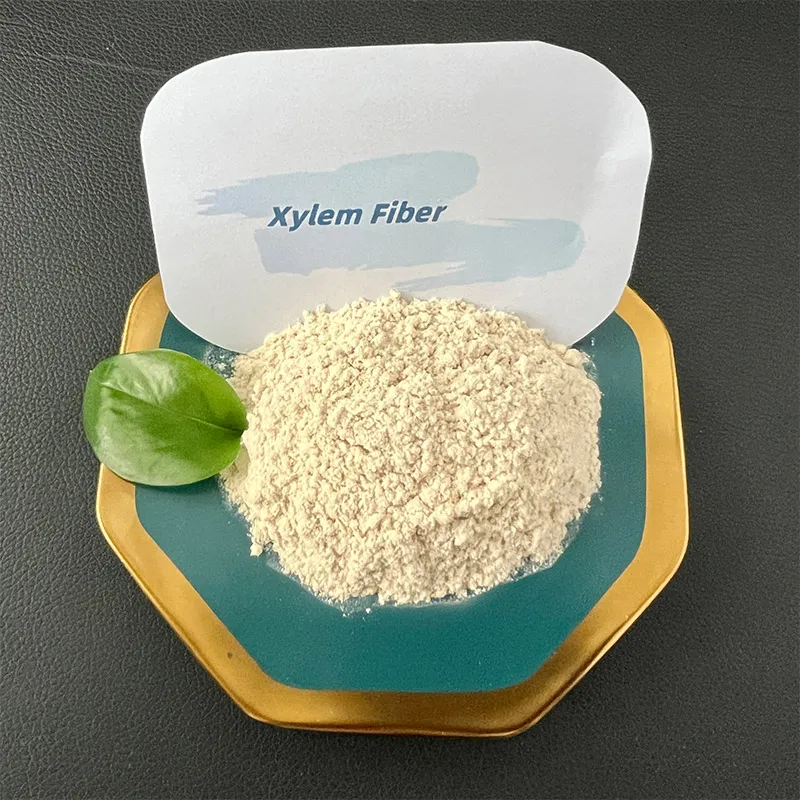
In the world of construction and renovation, the search for the perfect plaster retarder has led many professionals to explore a range of additives, among them, cream of tartar. Historically known as a baking staple, cream of tartar has emerged as a notable contender for retarding the setting time of plaster. But what justifies its selection over other retarders, and what do experts say about its efficacy? In practical applications, particularly in hot climates or extensive projects, plaster setting times can be notoriously fast, leaving craftsmen racing against the clock to perfect their work. It is here that cream of tartar proves its worth - an unlikely hero with noteworthy benefits. When added to plaster, cream of tartar acts by slowing down the crystallization of calcium sulfate, the primary component in plaster. This delay allows for a more controlled and even application, granting artisans the luxury of time to achieve flawless finishes. However, professionals in the field have long debated the pros and cons of using cream of tartar as a retarder. Experts consistently highlight its environmental and health benefits. Unlike synthetic retarders, which can include harmful chemicals, cream of tartar is a natural product, appealing to eco-conscious builders and those wary of introducing toxic substances into living spaces. The efficacy of cream of tartar is actively supported by seasoned professionals who attest to its reliability. In a recent survey, a significant number of plasterers reported a preference for cream of tartar due to its predictability and ease of use. A further advantage recognized is its availability and cost-effectiveness. Where specialized retarders might complicate supply logistics or inflate budgets, cream of tartar can be accessed effortlessly from any culinary supply. Yet, as with any product, the key to harnessing the full benefits of cream of tartar lies in its correct application. Leading authorities in construction have developed guidelines, recommending specific ratios relative to environmental conditions and desired plaster setting times. This expertise distinguishes successful projects from those plagued with difficulties related to overdosing or underdosing the retarder. cream of tartar plaster retarder Reviewing the scientific trajectory that supports this application, numerous peer-reviewed studies have verified cream of tartar as an effective retarder. Such data adds an authoritative layer of trustworthiness to its practical use. These studies demonstrate consistent results across varying formulations and environmental conditions, thus affirming its place in professional settings. Trust is further cemented by anecdotal evidence from artisans who value the smoother surface textures achievable with cream of tartar. Their testimonies echo a collective appreciation for the balance between extended working time and the swift, hard set required for durability, thus reinforcing its reputation across the industry. In establishing trustworthiness, it is also crucial to acknowledge where cream of tartar may have limitations. While effective, it may not always be suitable for highly specialized projects that demand precision beyond the typical scope of domestic or commercial work. Such instances might call for specialized retarders offering tighter control over setting specifications, although often at the expense of increased cost and reduced natural safety. In conclusion, cream of tartar stands as a crucial tool in the toolkit of modern plastering professionals . Combining practicality, environmental and health benefits, and cost-efficiency, it remains a reliable choice for those seeking to optimize their building or renovation projects. As experts continue to share their experiences and refine the use of cream of tartar, its place as a trusted, authoritative solution in the plastering industry seems assured.
advantages
-

200000 Viscosities
Excellent product
We can produce pure products up to 200,000 viscosities
-

40000 tons
High yield
We don’t stop production all year round, and the annual output can reach 40,000 tons
-

24 hours
Quality service
We provide 24-hours online reception service, welcome to consult at any time
———— Inquiry Form
Schedule A services
-
 hpmc_manufacturing_process
Oct . 25, 2025
Hydroxypropyl methylcellulose 2208 , a highly versatile compound, stands at the forefront of numerou -
 hpmc_e5_molecular_weight
Oct . 25, 2025
The emergence of HPMC nasal spray as a potential tool in the fight against COVID-19 has garnered sig -
 hpmc_e_5
Oct . 25, 2025
The Hydroxypropyl Methylcellulose (HPMC) market has witnessed remarkable growth over recent years, a


